We ship from California, United States.

The Lymphatic System: The Unsung Guardian of Your Health
Let's take a look at a system that doesn't get much attention but works hard to keep you healthy.
3/25/20264 min read
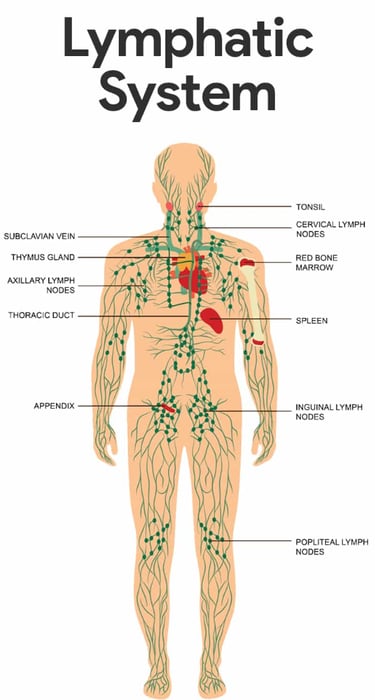
Have you ever felt puffy, sluggish, or just off without knowing why? It could be your lymphatic system. Many people don't even know that this system exists extensively throughout our bodies but I'm willing to bet that most people have heard of lymph nodes. This is one of the most important systems in our bodies to cleanse out toxins, to support a healthy immune system, and to give us overall vitality (the state of being strong and active; energetic). When this system flows well, we feel amazing!
So, what IS the Lymphatic System?
The lymphatic system is a network of vessels, nodes, and organs that moves a fluid called "lymph" throughout the body like a natural drainage and detoxing system. This system works alongside your circulatory system but, unlike your heart, there's no pump. It relies on your muscle movement and breathing to move lymph through your body.
The largest organ of this system is the Thymus gland which is located behind your breastbone (aka sternum). The Thymus gland is super important as it helps monitor for pathogens and contributes to developing the body's adaptive immune response (especially during childhood). The Thymus gland is where lymphatic vessels leave to drain the lymph into the brachiocephalic, tracheobronchial, and parasternal lymph nodes. From there, the lymph gets filtered/cleansed, goes into the thoracic ducts to then return to the bloodstream via the subclavian veins.
What is lymph exactly?
It's a colorless fluid containing white blood cells, which bathes the tissues and drains through the lymphatic system into the bloodstream. This fluid also consists of:
Waste and toxins
Immune cells
Excess fluids
Why does the Lymphatic System Matter?
A healthy lymphatic system supports:
Immune function – helps your body fight off illness because, like I said previously, it carries white blood cells
Detoxification – clears cellular waste and toxins from muscle use, sickness, foods, tattoos, etc.
Fluid balance – reduces swelling and stagnation (like when you eat too many salty foods)
Energy levels – supports overall vitality because it removes the stagnation and helps the body operate in a balanced state
What are the signs that your Lymphatic System Needs Support?
When lymph becomes sluggish, you might notice puffiness/swelling, brain fog, fatigue, frequent illness, skin issues, joint pains, muscle aches, etc. Here's a short list of symptoms that you might experience:
Limbs that feel heavy
Swollen lymph nodes (like in the neck or armpits)
Waking up puffy
Slow recovery from illness
Dull or congested skin (skin that feels bumpy, rough, or looks dull due to clogged pores)
Joint or muscle pains (an achiness that doesn't have any explanation for)
What are some simple ways that you can support your Lymph Flow?
1. Move Your Body: Gentle movement like walking, stretching, or rebounding helps stimulate lymph flow.
2. Stay Hydrated: Lymph is fluid—hydration keeps it moving.
3. Deep Breathing: Breathing acts like a pump for your lymphatic system so take deep breaths into your lower abdomen and exhale fully a few times a day.
4. Herbal Support:
Cleavers (a classic lymph mover)
Red clover
Calendula
Burdock root
Figwort (traditional lymphatic support)
5. Dry Brushing or Massage: Encourages circulation and movement of lymph. When I was in massage school, we learned this technique and I still use it today to help my lymphatic system. If you don't have a dry brush, you can use your hands. The trick to this is to stroke or brush toward your Thymus gland (remember it sits behind your breastbone). Why? To help push the lymph back to the lymph nodes to get filtered (see above discussion about the Thymus gland).
Lymph-Supporting Tea Blends
One of the gentlest and most nourishing ways to support the lymphatic system is through herbal teas. These plants work slowly and in harmony with the body, encouraging movement, cleansing, and balance over time.
Below are a couple of blend ideas centered around traditional lymph-supporting herbs. Use about 1 tbsp of dry herbs combined total (more if fresh) per 8oz of hot water and make sure to steep for at least 15 minutes. This isn't a one-and-done but requires consistency over time:
Lymph Flow Infusion
A soft, daily blend to encourage gentle movement and clearing.
Ingredients:
Cleavers
Calendula
Red Clover
Nettle
Why it works:
Cleavers is one of the most beloved herbs for lymphatic support, traditionally used to encourage flow and reduce stagnation. Calendula and red clover bring gentle cleansing and skin-supportive properties, while nettle nourishes the body with minerals.
Radiant Blend
A slightly deeper blend for when things feel more stuck or sluggish.
Ingredients:
Burdock Root
Red Clover
Calendula
Orange Peel
Figwort
Why it works:
Burdock root is known for its affinity with the blood and lymph, helping the body clear buildup over time. Red clover continues to support detox pathways, while calendula keeps things moving gently. Orange peel adds a touch of brightness and supports digestion—another key piece of overall detoxification. Figwort has been used traditionally for lymphatic support (along with other benefits - check out my blog post about it).
Remember...
Herbal support for the lymphatic system isn’t about forcing or quick fixes. It’s about encouraging flow, softening stagnation, and working with the body’s natural rhythms. Pair your teas with movement, hydration, and rest, and you create a powerful foundation for whole-body wellness and a better balanced lymphatic system.
A Final Note about Tattoos and the Lymphatic System...
I mentioned above "tattoos" in the "Detoxification" section and I wanted to expand upon that a little.
The body recognizes that there is something foreign there (your tattoo) and the lymphatic system will try to "cleanse" it from the body in-between the white blood cells called "macrophages".
Macrophages envelope the foreign matter and keep it localized during its lifecycle but when it dies, some of the "ink" is lost before another macrophage takes over. This is where the lymphatic system comes in. This process is one of the reasons why tattoos fade. This leads to accumulation of pigments in the lymph nodes which overtaxes the lymphatic system for some people and results in long-term, visible pigment accumulation in lymph nodes. This can cause chronic inflammation, potential immune system strain, and, in some cases, an increased, though generally low, risk of lymphomas.
I'm not telling you this to scare you but if you do have tattoos and you have chronic inflammation, you may want to get into a daily practice of supporting your lymphatic system with movement, more hydration, and maybe one of the teas I mentioned above.