We ship from California, United States.

Herb of the Week: Sweetgrass
How sweet is it?
4/28/20262 min read
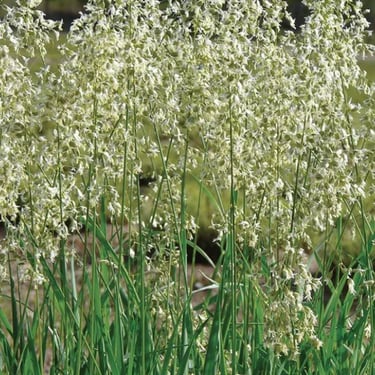
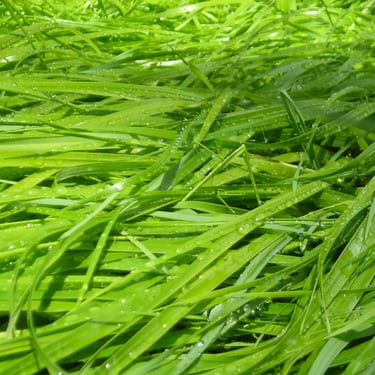
Sweetgrass (Hierochloe odorata) is considered one of the sacred plants used by indigenous peoples and cultures and has been called "kindness medicine". It's sometimes referred to as "Mother Earth's Hair". I'll delve more into the folkloric and traditional aspects of this herbs later in this blog. This herb has a pretty high coumarin compound that supplies its sweet, earthy, vanilla-like scent (and acts like an anticoagulant) that can help relieve stress and help as a natural insect repellent.
A tea made from sweetgrass can help with congestion, coughs, and sore throats relating to colds but it can also help reduce inflammation in the body and reduce water retention swelling like edema. This can also help to relieve a mildly distressed digestive system. It's even been used to help women with postpartum care, psychologically (through its calming aroma) and physically. This herb is an anti-inflammatory, anticoagulant, and an antioxidant.
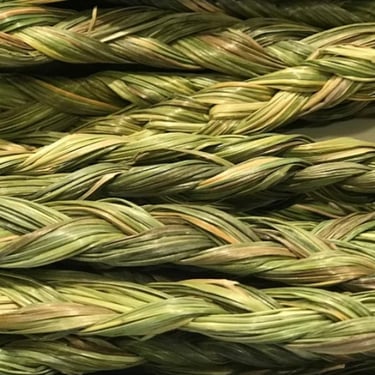
Now, for the folkloric and indigenous traditional uses of this herb. This herb is considered one of the four sacred herbs: sweetgrass, sage, cedar, and tobacco. Traditionally, it's braided into a 3-strand braid and dried to be used to perform smoke cleansings (aka smudgings) to remove negative energies from a space, especially for a ceremony. The 3-strands are said to represents the peace, kindness, and love. In the Anishinaabe (Ojibwe) traditions, they use 21 strands for the braid with the belief that these are broken are into 3 sections that represent the 7 generations behind (the generations that came before), the 7 sacred teachings (love, respect, honesty, courage, wisdom, truth, and humility), and the 7 generations in front (children, grandchildren, and those not yet born). That's a lot of responsibility to place on an herb but it's beautiful, right? The legend is that this was the first grass to grow on our planet!
In Northern Europe, sweetgrass was also used traditionally. Often called "holy grass" or "Mary's grass", it was put across the thresholds of churches during saint days to lift the sweet scent as people walked across it to enter and leave. Many Northern Europeans would use this grass to fragrance their homes. Less symbolic than the indigenous peoples' takes on it but that's ok.
In witchcraft, look to use this herb to attract positive energy, to cleanse a space, to purify, to connect with ancestors, and in rituals looking to connect with more love and healing.
If you intend to use sweetgrass, whether for its medicinal, traditional, folkloric, or witchy benefits, please be considerate. Harvest sustainably by pulling/cutting stems from the base (the base is usually reddish) and don't harm the roots so there can be future growth. And, always leave more than you take!
If you want to learn more about sweetgrass, I recommend reading: Braiding Sweetgrass: Indigenous Wisdom, Scientific Knowledge and the Teachings of Plants By Robin Wall Kimmerer.