We ship from California, United States.

Herb of the Week: Onions
Ok, maybe not EXACTLY an herb but...
6/16/20263 min read
This week’s blog is going to be a little longer and bit more thorough than my usual blogs. So, get yourself a beverage and get comfy!
Onions (Allium cepa). You know, that savory flavoring that’s used in most cooking? Yep. We’re going to talk about onions because you can use them for herbal medicine and remedies. I don’t recommend making an onion tea though, but add onions to oxymels or tinctures for some badass immune system boosting!
Onions are super rich in two primary chemical groups: flavonoids, like quercetin (more on this later) and sulfur compounds. But, did you know that each variety of onion has its own unique concentration of nutrients? Well before we jump on that, let’s talk about quercetin for a moment.
Quercetin has been found to help control overactive MAST cells, you know … those bad boys of our immune system that signal when the body should release histamine? There’s a lot of literature and studies that show quercetin being effective in helping autoimmune disorders by suppressing autoreactive immune responses and downregulating inflammatory pathways This is pretty big. It also can help you with seasonal allergies and contact dermatitis. And this flavonoid isn’t in onions only either. Capers contain the most quercetin per gram, followed by onions, leafy greens, berries, peppers, and apples. Ok, now back to our regular programming!
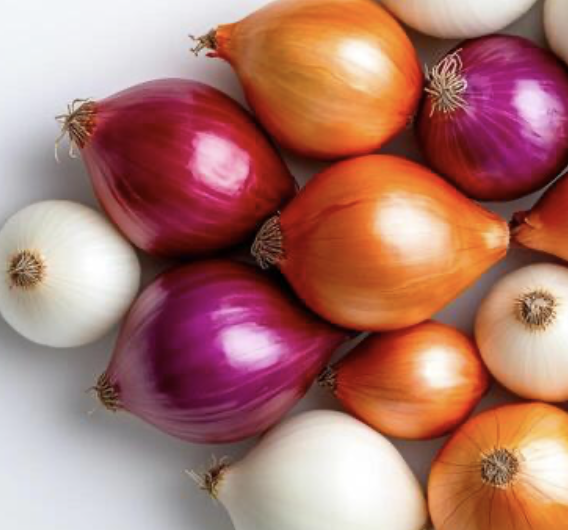
Red Onions: The Antioxidant Specialist
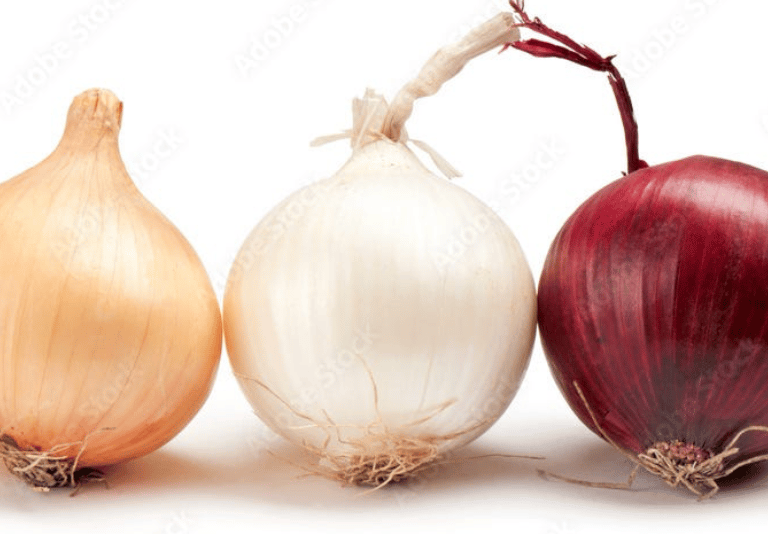
Red onions are, in my opinion, the healthiest for raw consumption because they contain anthocyanins, a type of antioxidant not found in white or yellow varieties. These antioxidant powerhouses are reduced by cooking or pickling red onions but enough can remain to make a difference.
Highest Antioxidant Load: They have up to 25% more antioxidants than white or yellow onions, including double the total polyphenol content.
Heart and Skin Health: The anthocyanins in red onions (also found in blueberries) are credited with boosting “good” (HDL) cholesterol and protecting the skin from premature aging.
Blood Sugar: Research suggests that red onion extract may help manage hyperglycemia (high blood sugar) in those with diabetes.
Yellow Onions: The Fiber and Cooking Choice
Yellow onions are the most versatile for cooking and contain the highest amount of fiber. Sweet yellow onions like Vidalia onions are some of my favorite onions to cook with but I’ve been using red onions more often these days. But, what’s different about yellow onions?
Sulfur Potency: They are particularly rich in organosulfur compounds, which help lower cholesterol and may help break down blood clots, reducing the risk of heart disease and stroke. These are also responsible for certain bodily odors… I’ll just leave it at that.
Digestive Support: High levels of prebiotic fibers like inulin and fructooligosaccharides support healthy gut bacteria (Bifidobacteria) and improve overall digestion.
Inflammation: They contain significant quercetin, which is highly stable during sautéing, making them an excellent anti-inflammatory choice even after cooking.
White Onions: The Antimicrobial Specialist
White onions have a thinner skin and a sharper, more pungent flavor when raw, which is a sign of high sulfur content. Yep, sulfur again. Not an onion that I’ve commonly reached for in the past but perhaps it needs another look. So, what’s white onions got over its brethren?
Antibacterial Properties: Known as a natural “mouth disinfectant,” they are effective at killing various bacteria and have historically been used for respiratory issues like throat and lung inflammation. They’re incredible to use in a sore throat and cough syrup (though, you might want to add other ingredients to mask the onion scent and flavor, especially for little ones).
Cholesterol Management: Their high concentration of sulfur compounds, specifically S-allyl cysteine, is associated with lower LDL (bad) cholesterol and triglycerides. This particular sulfur compound is also found in garlic which is why people swear that garlic helps lower bad cholesterol.
Green Onions (Scallions): The Vitamin Powerhouse
Because they include leafy green stalks, green onions provide a different nutrient profile than bulb onions. Plus, if you have IBS or tummy issues with any of the other onions, these tend to be on the low FODMAP scale (meaning that they’re less irritating to the gut). And look at what they can provide for you!
Vitamin Dense: They significantly surpass bulb onions in Vitamins K, A, and C.
Vitamin K: Essential for bone mineral density and preventing hip fractures.
Vitamin A: Supports eye health and immune function.
Low Calorie: They are a non-starchy vegetable with a low glycemic index, making them ideal for blood sugar regulation and heart disease prevention.
Even though red onions are best raw, I think I’ll be using a mix of all three bulbs for sautéing and the green onions as well when I think they’ll be appropriate flavor-wise.
As for using onions in oxymels, try a rainbow of onions! Want to learn more about oxymels? Next week, I’ll be talking about them instead of an herb of the week so stay tuned!! And eat your onions!