We ship from California, United States.
Herb of the Week: Myrtle Leaves
Don't confuse this with Crepe Myrtle...
3/16/20261 min read
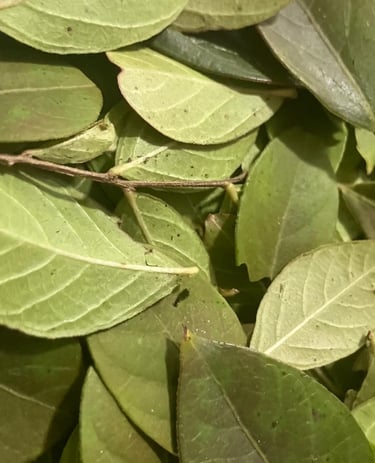
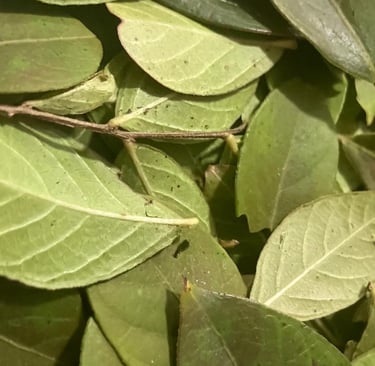
Myrtle leaves (Myrtus communis) are amazing healers! Rich in antioxidants for sure but they also bring more to the table than you may know. But, be warned, high internal doses can be harmful to the body!
Traditionally, myrtle leaves have been used for respiratory (specifically bronchitis) illnesses because they act as an expectorant to help the body remove unwanted mucus from the lungs. They've also been used to counteract diarrhea and peptic ulcers. But, these leaves also do a fantastic job topically! As an oil, ointment, or salve, it can help ease arthritic pain and inflammation and they can also help with hemorrhoids (a few drops of the oil in a sitz bath). The extract from these leaves can help reduce acne, treat warts, and they also help heal wounds faster. Myrtle leaves are packed with antioxidants, antimicrobials, antibacterials, anti-inflammatory, and anti-septic properties that make them a great candidate to have an oil or salve in your herbal first aid kit! You can even gargle with a myrtle leaf tea to help with gingivitis and mouth infections!
In witchcraft, these leaves are sacred to the Goddesses of love, such as Aphrodite and Venus and are used in rituals pertaining to relationships, fertility, and self-love. Also used for protection, peace, and spiritual renewal rituals. Use some as incense to cleanse a space. They can also be used in spells to increase youth and vitality!